Azure AKS
In the first sections of the content, step by step from the beginning; AKS installation, resource creation, usage and external MongoDb and ElasticSearch server steps are described.
If there is a ready cluster on AKS, you can start directly from step 5 Installing Apinizer on AKS.
1. Introduction
What is Microsoft AKS (Azure Kubernetes Service)?
Azure is a complete cloud platform that facilitates new application development processes by hosting existing applications.
Azure Kubernetes Service (AKS) enables creating, configuring and managing a pre-configured virtual machine cluster to run containerized applications.
When you deploy an AKS cluster, Master nodes and all other kubernetes nodes are deployed and configured on your behalf.
2. Installing and Configuring AKS, AKS CLI and kubectl
AKS Cluster Installation
Since Azure contains a structure targeting ease of use, installation can be done easily by proceeding with default settings if no special setting is requested.

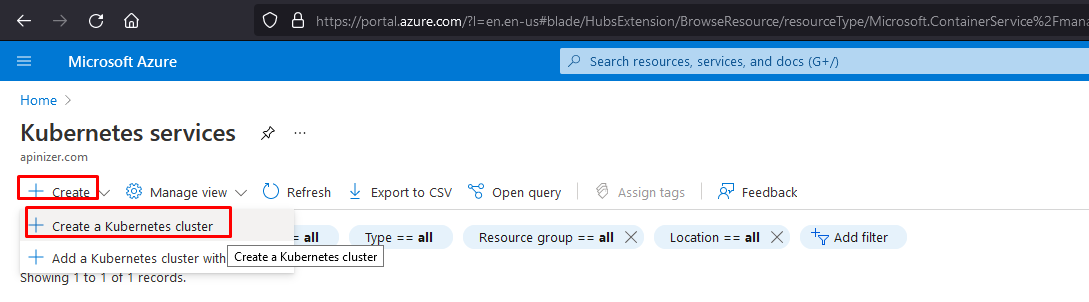
Click the links selected in the image below in order to create a Kubernetes cluster.
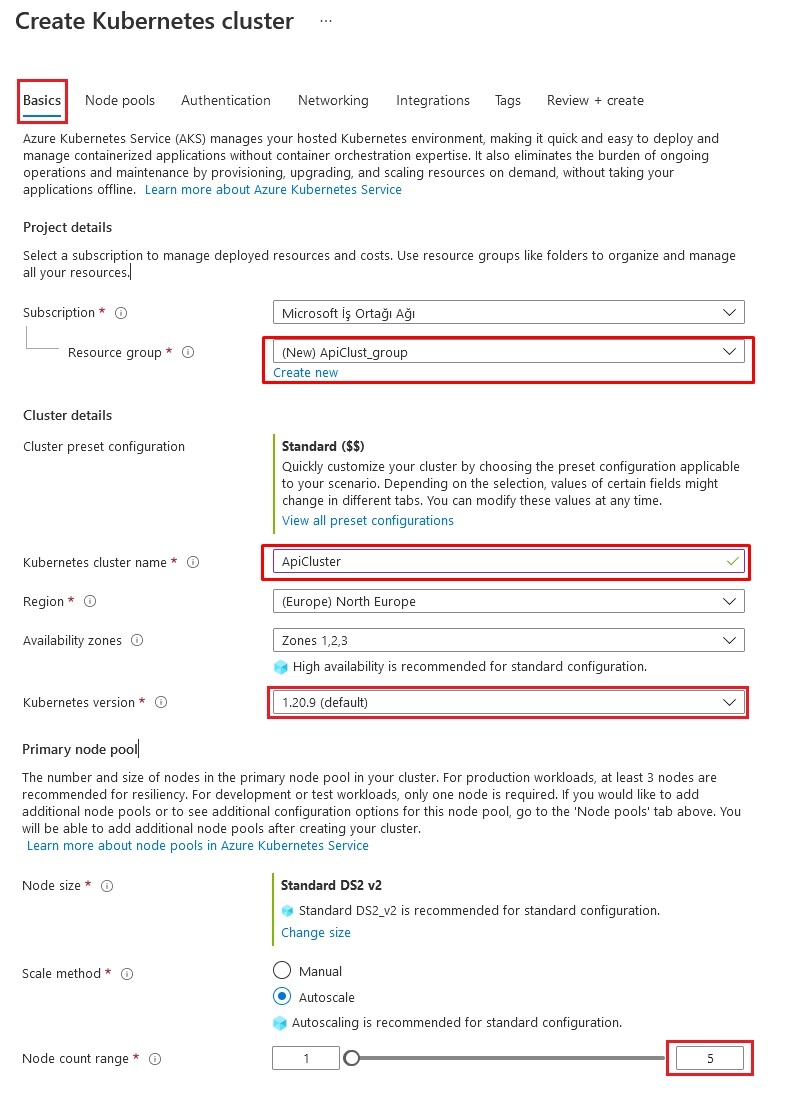
A new resource group (Resource group) can be created if there is no existing selection for the name to be given to the cluster to be created.
Kubernetes version 1.18 or 1.20 major type can be selected.
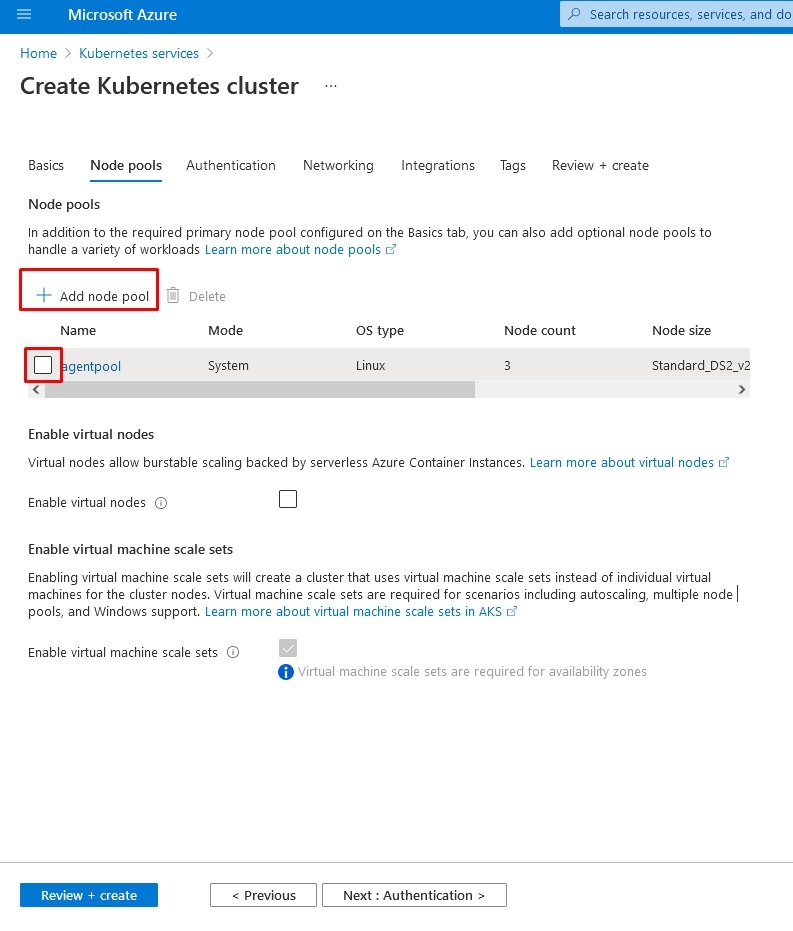
Adding Node Pool
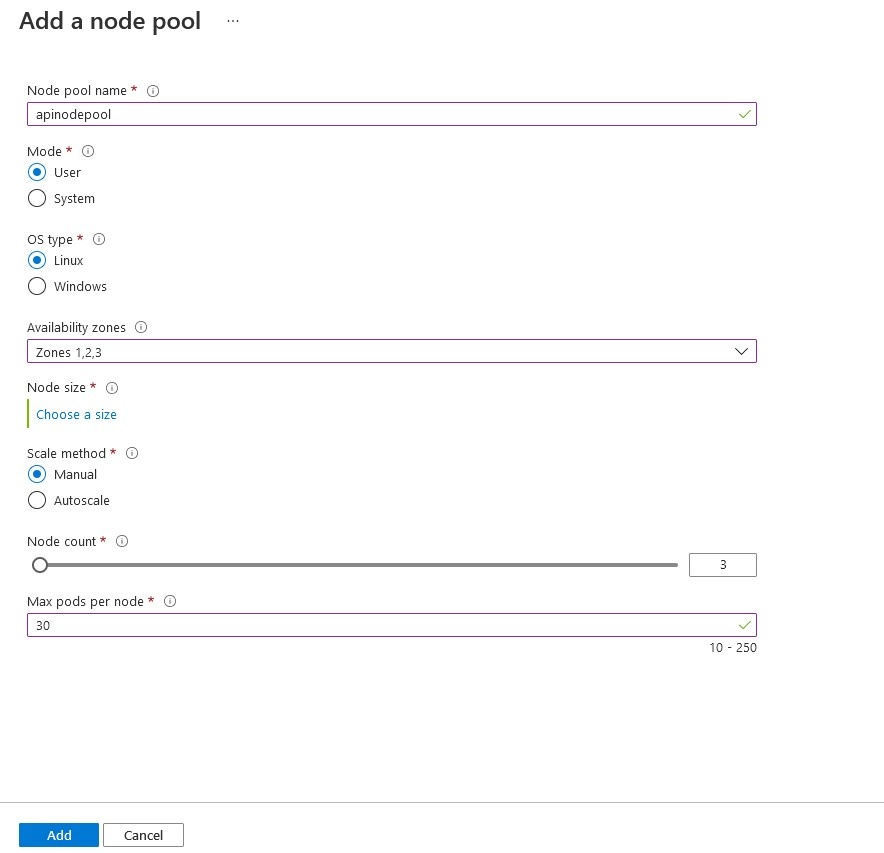
Node Pool (Node Pool) contains settings related to nodes within the cluster. You can select an existing node definition or create a new definition.
The screenshot containing the name to be given to the node pool and the selectable settings is below:
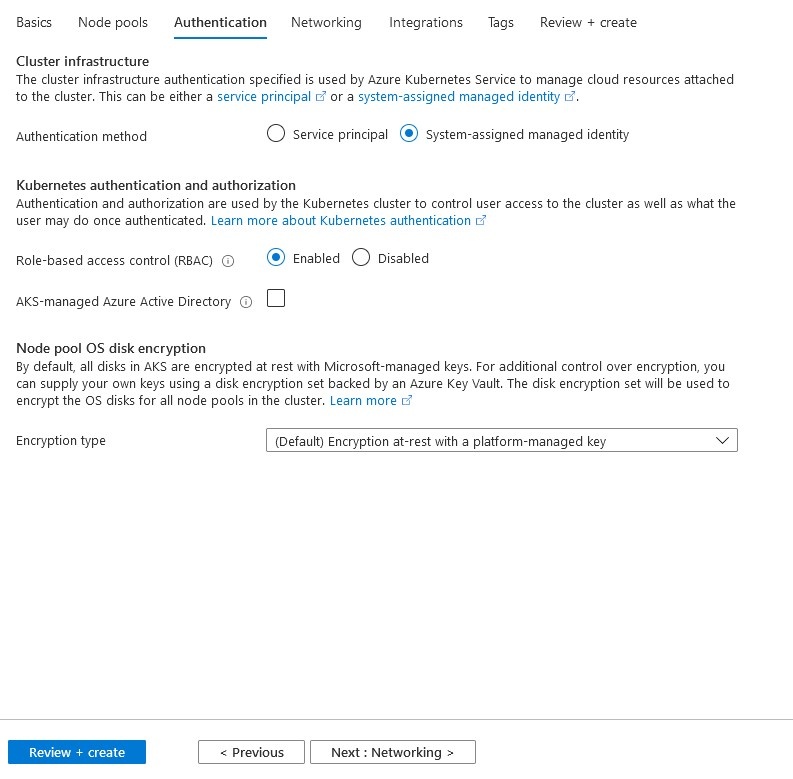
Authentication Settings
In the Authentication section, you can set how you want to restrict your cluster.
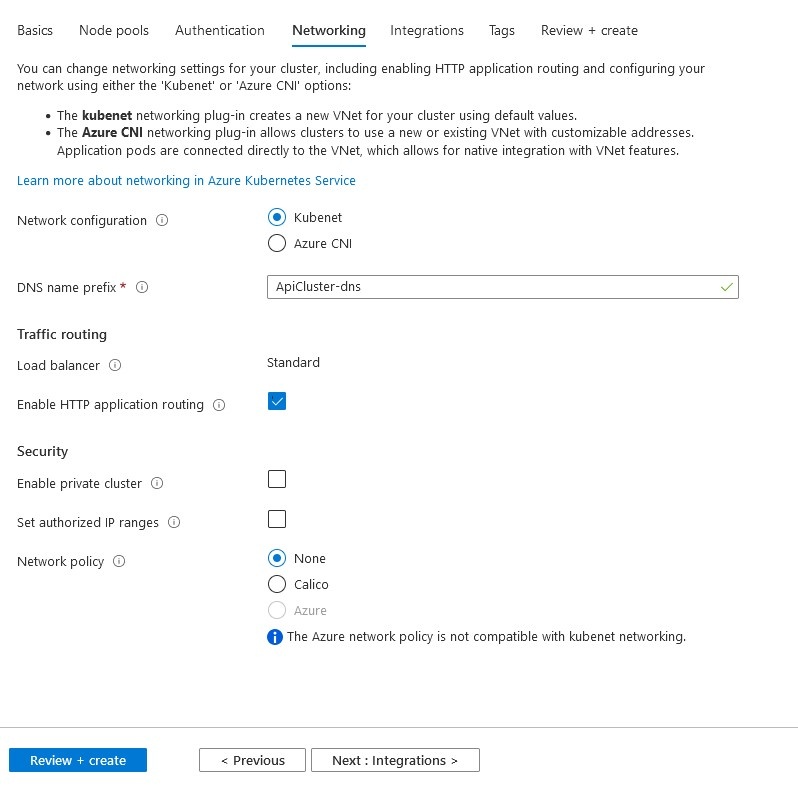
Networking Settings
The Networking tab includes whether you will leave network settings to Kubenet or Azure CNI, which draft you want your DNS name in, and security and network settings related to access.
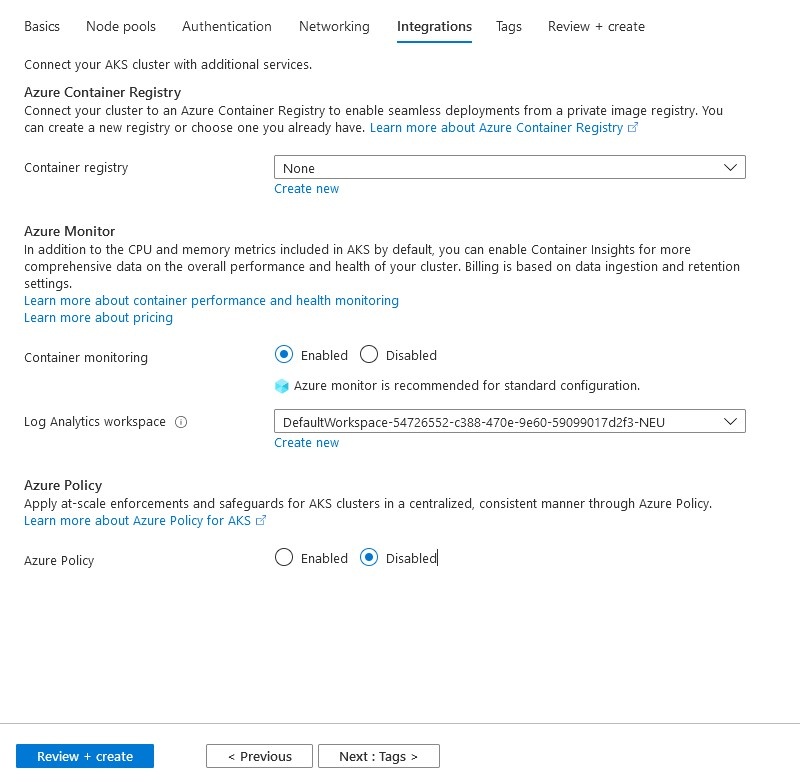
Integration Settings
In the Integrations tab, your decisions regarding some useful integrations provided by Azure are set.
In the final step, your settings go through a review mechanism and are presented for your approval.
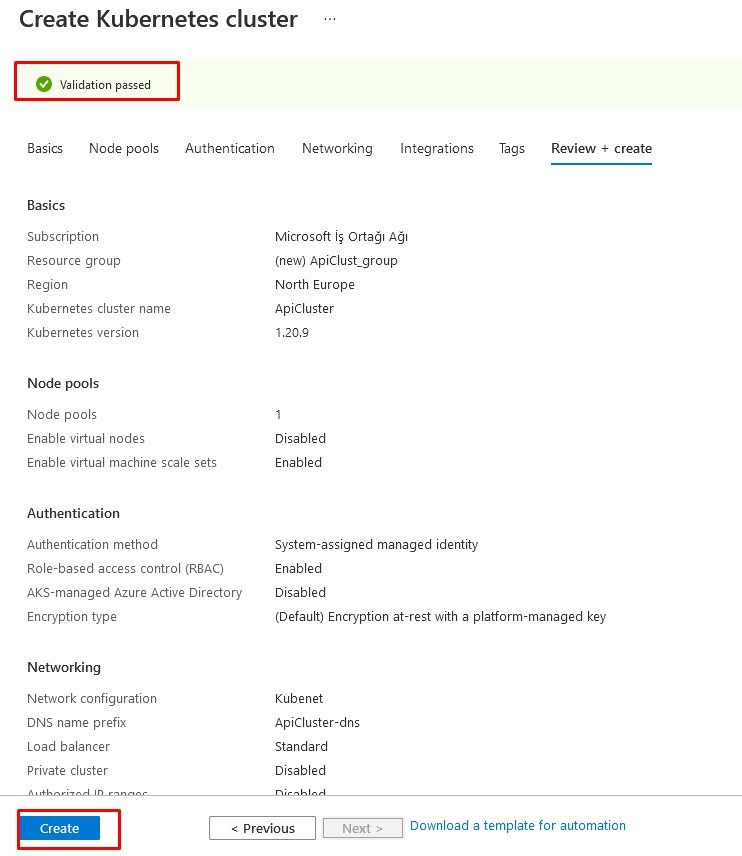
When you complete the process, you will encounter a screen like below.
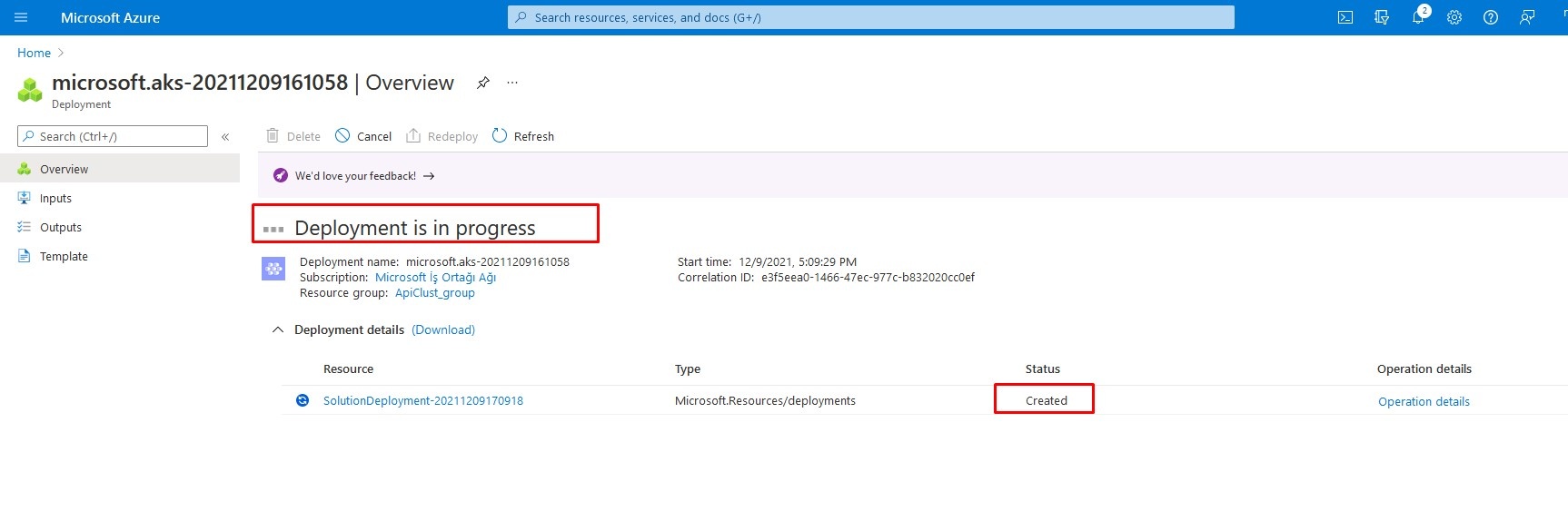
After creating your cluster, the AKS CLI and kubernetes-related system to be installed on your computer can be checked.
3. AKS CLI Installation
Azure CLI can be installed on Windows, MacOS and Linux environments. It can also be run in a Docker container.
The version of Azure CLI suitable for the operating system can be downloaded and installed from: Azure CLI Installation Guide
Then connect to your client account on your computer with the following command and the subsequent process.
az login
CLI can open your default browser and load an Azure sign-in page.
Otherwise, open a browser page and go to: https://aka.ms/devicelogin. Enter the authorization code displayed in your terminal.
If there is no web browser or the web browser cannot be opened, use the device code flow with the az login --use-device-code command.
Sign in to the browser with your account credentials.
Then the Kubernetes command line tool kubectl should be downloaded and installed.
az aks install-cli
Access credentials should be obtained for a managed Kubernetes cluster.
By default, credentials are merged in the .kube/config file, so kubectl can use them.
You can configure the default group using the name of the managed cluster and the name of the resource group:
az aks get-credentials --resource-group myResourceGroup --name myAKSCluster
Whether access is provided correctly is checked with the following command.
kubectl get nodes
4. Installing and Setting Up Cloud MongoDb and ElasticSearch
As stated in the Installation and Configuration document, Replicaset MongoDB and Elasticsearch are needed. These can be installed on any virtual server, used as cloud, or if they already exist, proceed to the next step.
In this section, cloud systems in the applications' own environments are used.
-
For MongoDB, go to MongoDB Atlas and create an account, and it can be used free of charge up to a limited DB size. Apinizer does not need a large database because it only keeps configuration definitions in MongoDB.
-
For Elasticsearch, Apinizer can be defined by using an elastic service in the cloud environment through the Elastic Cloud address.
MongoDB Cloud Settings
After creating an account from MongoDB's own site, create a database with the desired name and edit the related settings.
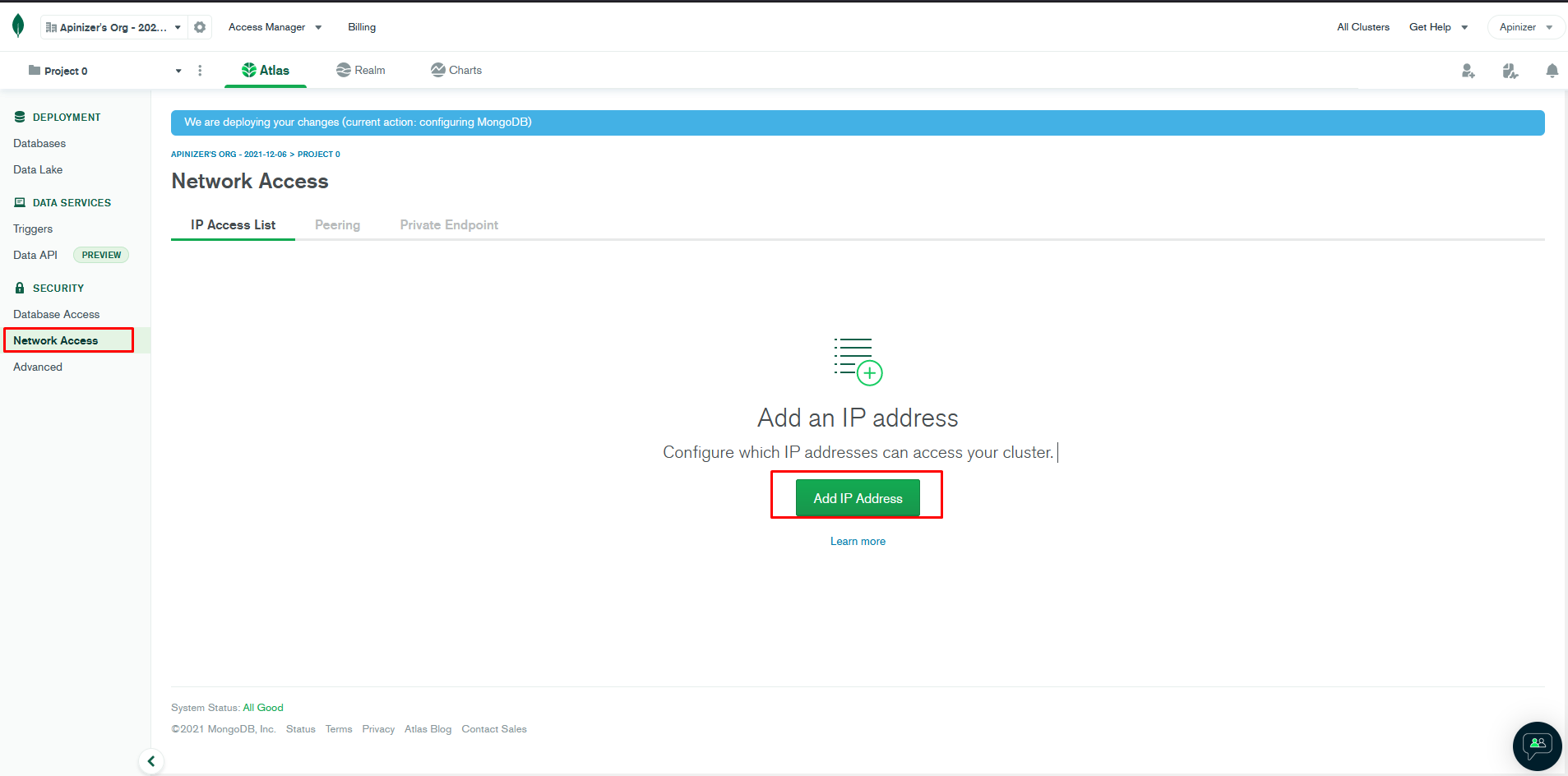
Click the Add IP Address button from the Network Access menu for access permission.
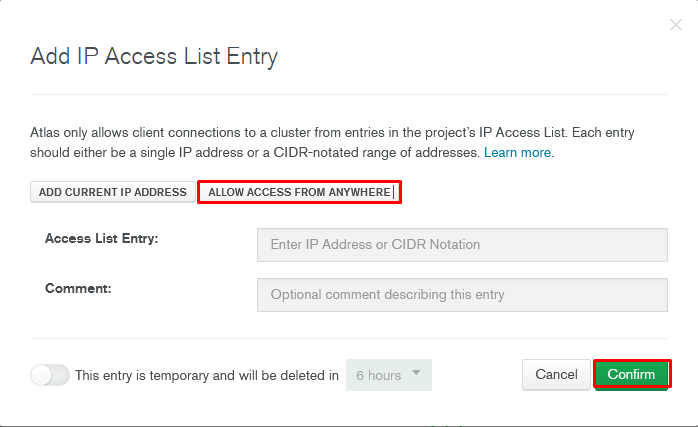
Then fill in the fields so that access is open from anywhere, such as the desired IPs or the Allow Access From Anywhere option selected in the image below.
Getting MongoDB connection string:
To get the connection string (Connection String) that will provide the connection to the created database, return to the Databases page and press the Connect link.
From here, you can get the necessary information to connect to any MongoDb database editor yourself, or press the Connect your application button to connect the Apinizer application.
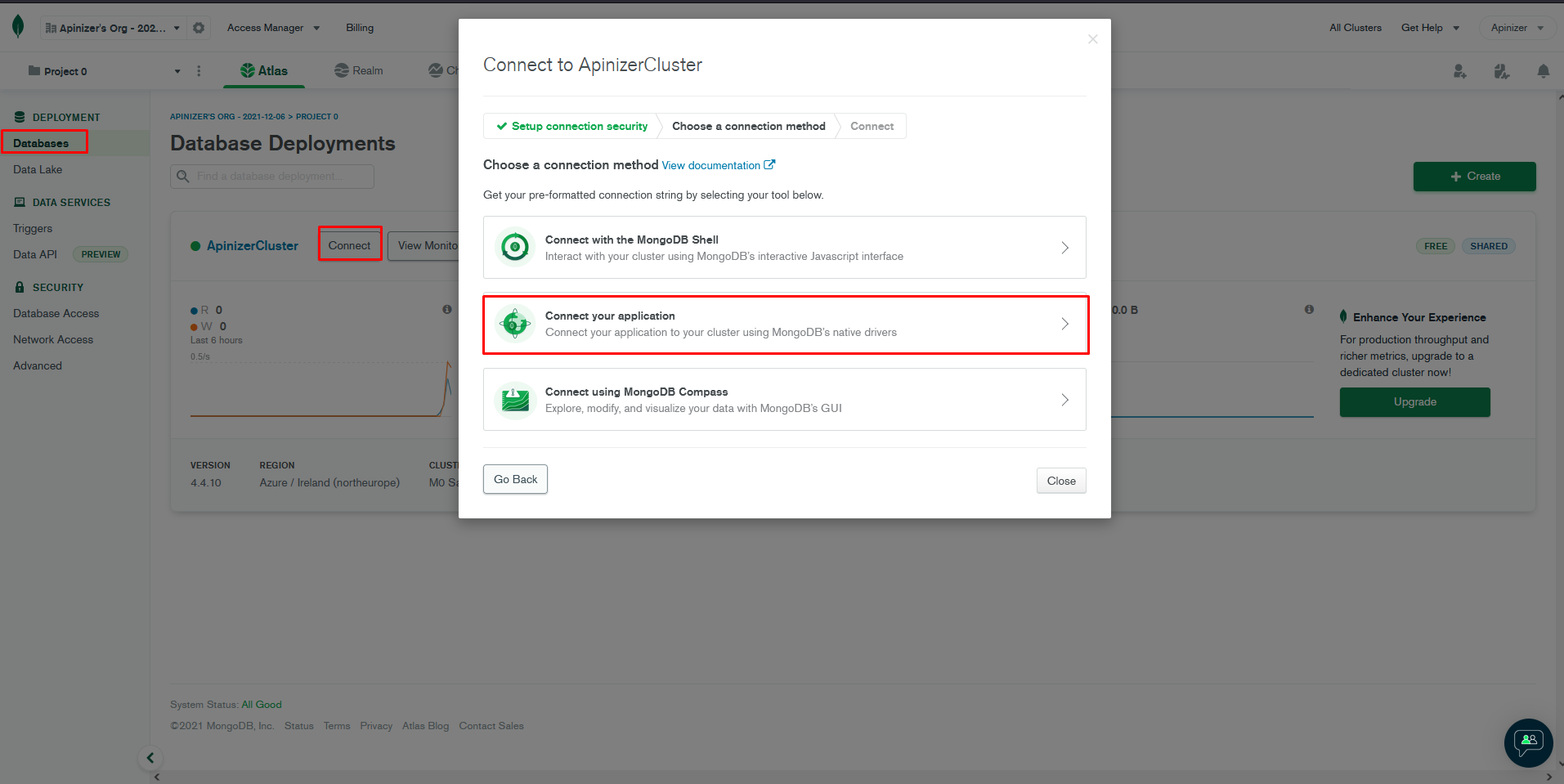
When Java is selected as Driver and "3.4" or higher is selected as Version on the opened screen, a text appears at the bottom of the screen.
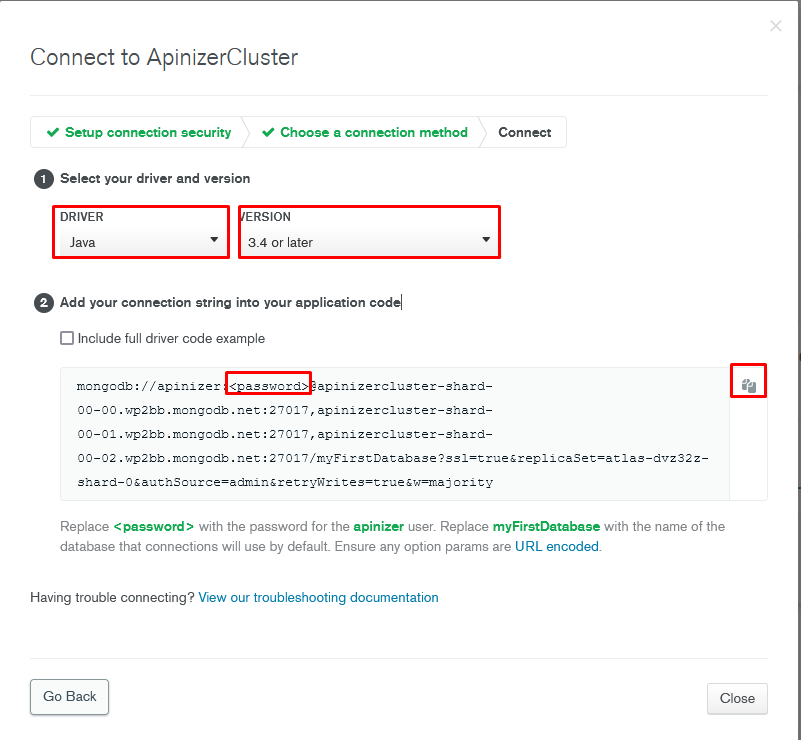
This text is the connection definition that you will write to the apinizer-deployment.yaml file in the following sections to connect Apinizer to MongoDB.
5. Installing Apinizer on AKS
What is described under this heading describes the definition of opening Apinizer as a service, different from Apinizer installation documents.
Apinizer Management Console installation
A .yaml file should be created for Apinizer and loaded to AKS cluster.
Example apinizer-deployment.yaml file settings are below:
apiVersion: v1
kind: Namespace
metadata:
  name: apinizer
---
apiVersion: apps/v1
kind: Deployment
metadata:
  name: manager
  namespace: apinizer
spec:
  replicas: 1
  selector:
    matchLabels:
      app: manager
      version: 'v1'
  template:
    metadata:
      labels:
        app: manager
        version: 'v1'
    spec:
      containers:
      - name: manager
        image: apinizercloud/manager:2023.01.1
        imagePullPolicy: IfNotPresent
        env:
        - name: SPRING_PROFILES_ACTIVE
          value: prod
        - name: SPRING_DATA_MONGODB_DATABASE
          value: apinizerdb-aws
        - name: SPRING_DATA_MONGODB_URI
          value: 'mongodb://apinizer:<PASSWORD>@apinizercluster-shard-00-00.wp2bb.mongodb.net:25080,apinizercluster-shard-00-01.wp2bb.mongodb.net:25080,apinizercluster-shard-00-02.wp2bb.mongodb.net:25080/ApinizerDb?ssl=true&replicaSet=atlas-dvz21z-shard-0&authSource=admin&retryWrites=true&w=majority'
        - name: JAVA_OPTS
          value: ' -Xmx1400m -Xms1400m'
        resources:
          requests:
            memory: '2Gi'
            cpu: '1'
          limits:
            memory: '2Gi'
            cpu: '1'
        ports:
        - name: http
          containerPort: 8080
kubectl apply -f apinizer-deployment.yaml
kubectl get pods -n apinizer
After Apinizer Management Console is loaded to AKS environment, a database named apinizerdb will be created in MongoDB database. The license key provided to you by Apinizer should be entered into the general_settings table.
The following permissions should be defined for Apinizer Management Console to access and manage Kubernetes resources.
Example service.yaml file settings are below:
apiVersion: v1
kind: Namespace
metadata:
  name: kube-system
---
apiVersion: v1
kind: ServiceAccount
metadata:
  name: admin-user
  namespace: kube-system
Example adminuser.yaml file settings are below:
apiVersion: rbac.authorization.k8s.io/v1
kind: ClusterRoleBinding
metadata:
  name: admin-user
roleRef:
  apiGroup: rbac.authorization.k8s.io
  kind: ClusterRole
  name: cluster-admin
subjects:
- kind: ServiceAccount
  name: admin-user
  namespace: kube-system
kubectl apply -f service.yaml
kubectl apply -f adminuser.yaml
kubectl create clusterrolebinding permissive-binding --clusterrole=cluster-admin --user=admin --user=kubelet --group=system:serviceaccounts
kubectl create clusterrolebinding apinizer -n kube-system --clusterrole=cluster-admin --serviceaccount=kube-system:apinizer
Creating Access Service for Apinizer Management Console
After the installation is completed, a service is needed to access Apinizer Management Console.
A service is created by following the steps below. It may take a minute or two to get the external IP sometimes.
kubectl expose -n apinizer deployment.apps/manager --port=80 --target-port=8080 --name=apinizer-console-service --type=LoadBalancer
kubectl get svc -n apinizer
6. Apinizer Management Console Login
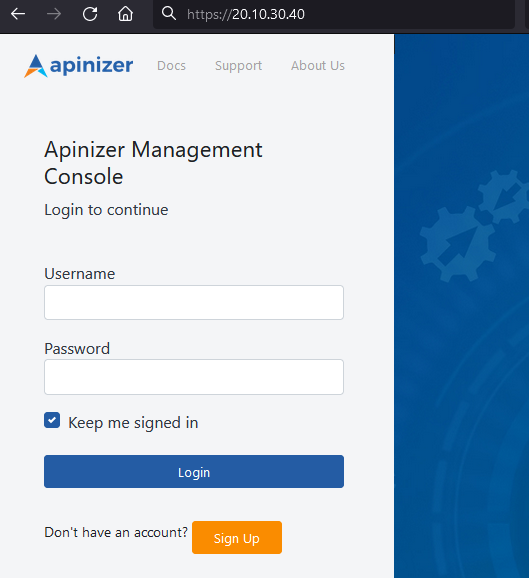
Login is made by writing the service access address in step 2 to the browser's address bar.
You can contact Apinizer support team for default username password.
The Apinizer Management Console Address created according to these settings: http://<EXTERNAL-IP>/
7. Apinizer Configurations
Defining Log Servers
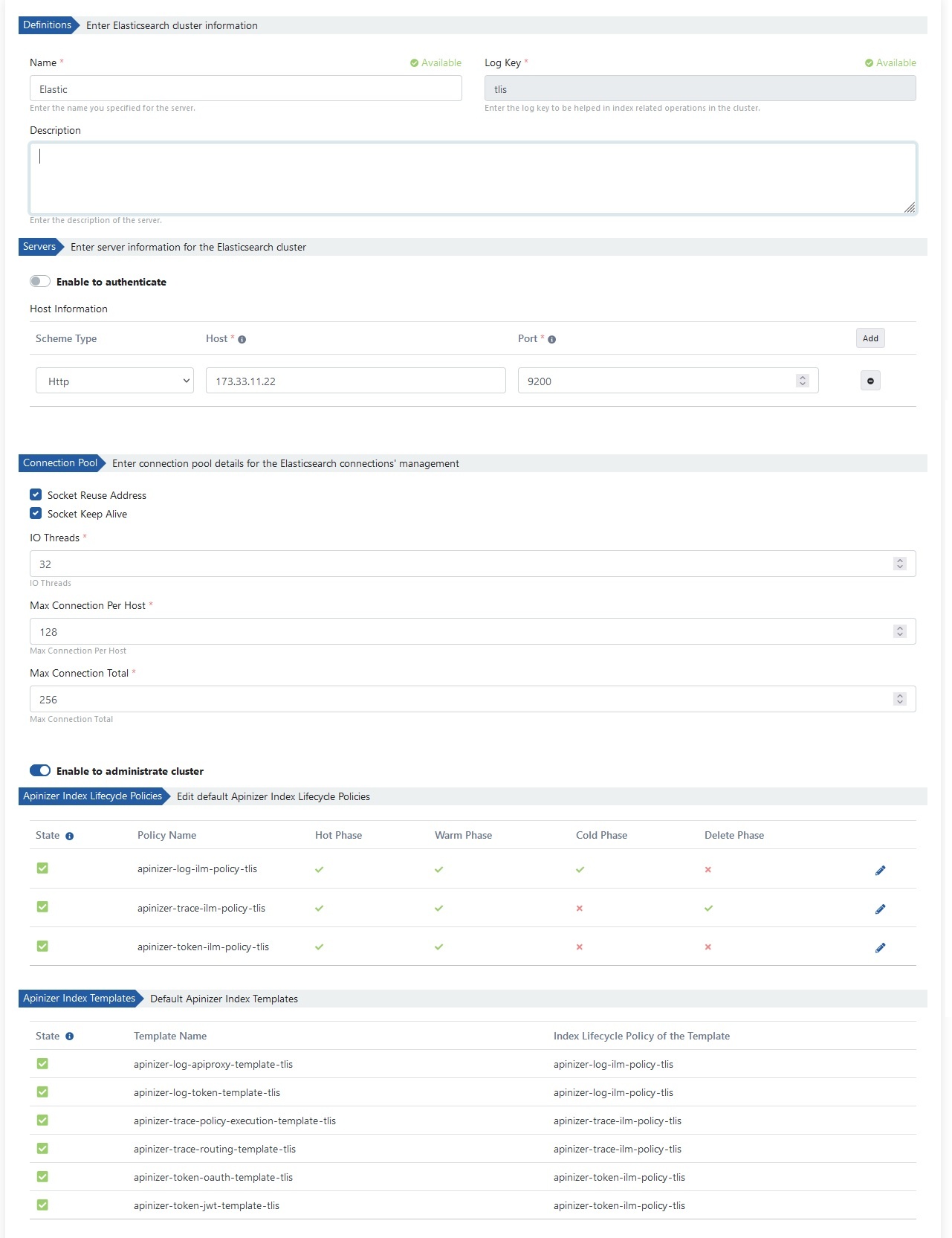
Apinizer stores API traffic and metric information in Elasticsearch database. To continue the installation process, Elasticsearch cluster definitions need to be made.
Go to Administration → Server Management → Elasticsearch Clusters page from the menu in Apinizer Management Console application.
The image containing Elasticsearch cluster definition settings is given below:
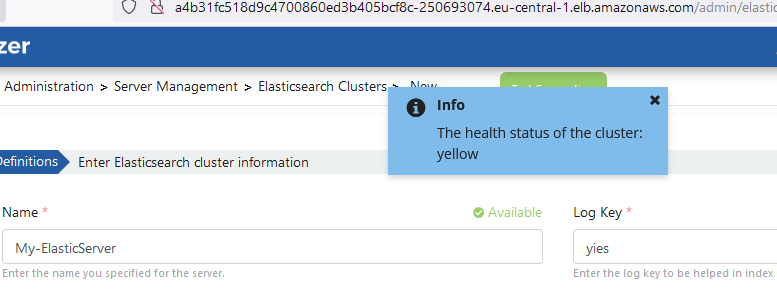
Test Connection button can be used to test Elasticsearch server connection with Apinizer.
Environment Definition
At least one environment needs to be loaded (deploy) for an API Proxy to be accessible. Apinizer also allows an API Proxy to be loaded to multiple environments.
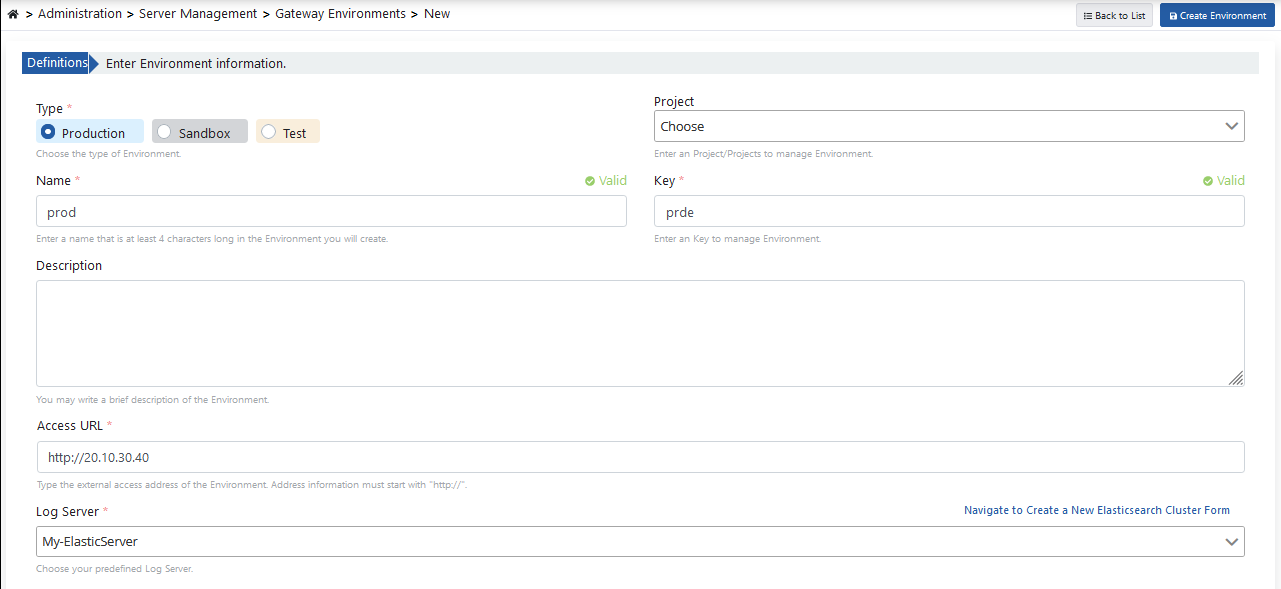
Go to Administration → Server Management → Gateway Environment page from the menu in Apinizer Management Console application.
The image containing environment definition settings is given below:
The following values are the default values of the servers. They can be changed according to your cluster resources.
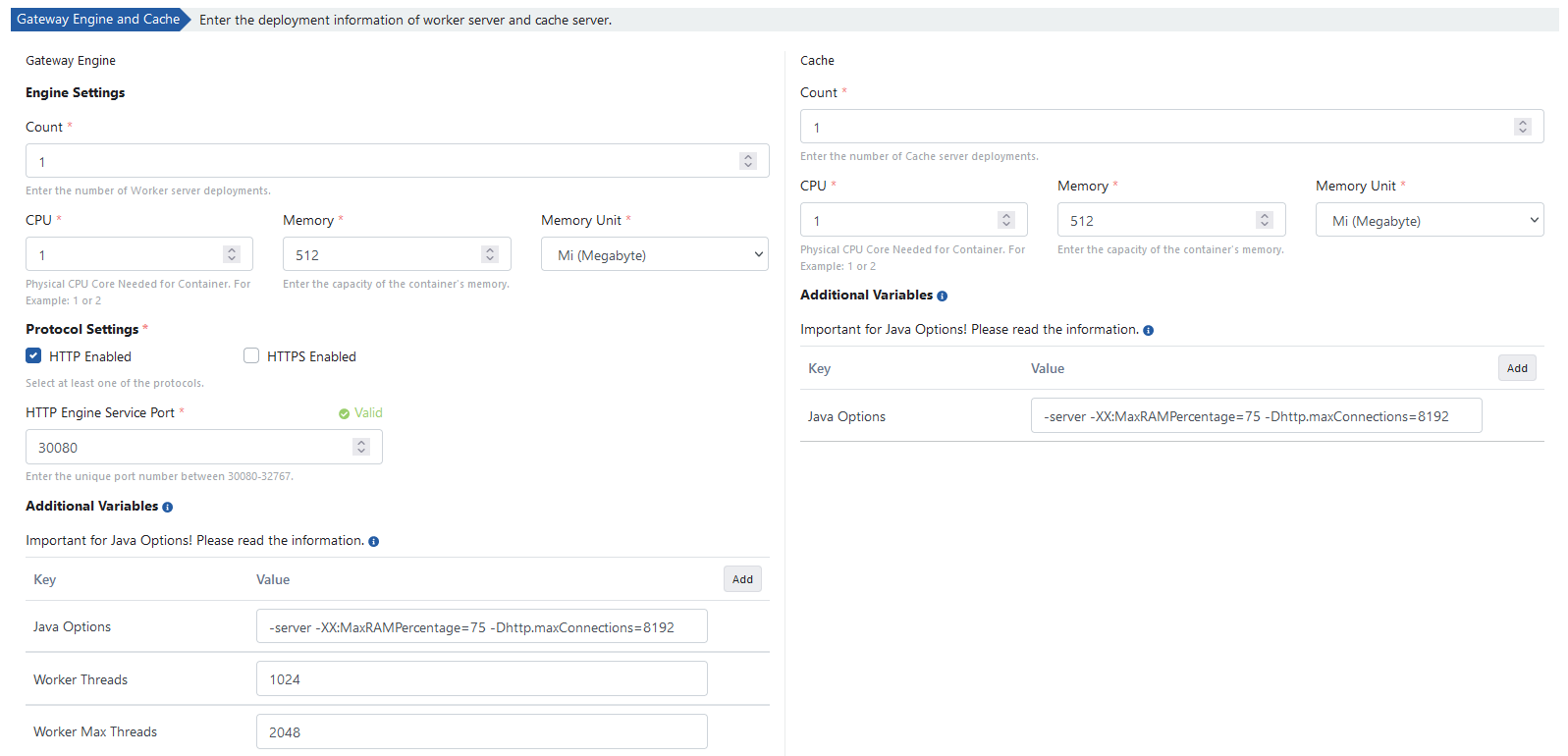
The environment definition process is completed by clicking the Create Environment button.
When environments are listed, the Prod type environment is deployed to AKS by clicking the Unpublished button showing the status of the relevant environment on the screen.
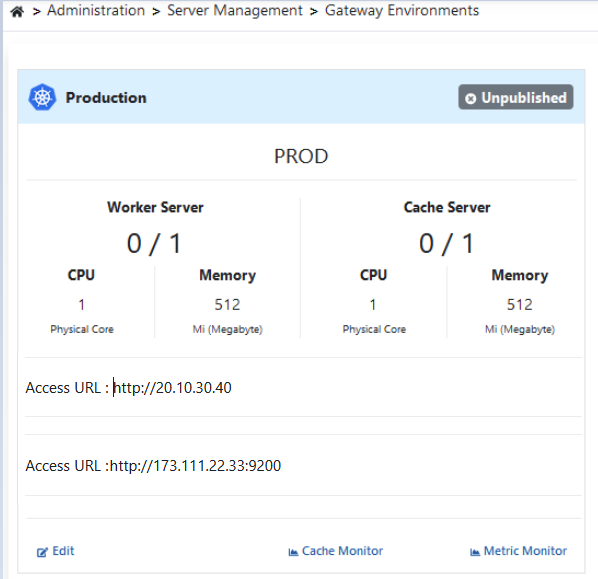
The environment loading process will be loaded to AKS in approximately 3 minutes.
For detailed information about environment definition and publishing operations, see Environment documentation.
Opening Environment as Service
Finally, a service needs to be created to access APIs that will run in the environment we published.
kubectl expose -n prod deployment.apps/worker --port=80 --target-port=8091 --name=apinizer-worker-service --type=LoadBalancer
kubectl get svc -n prod
The LoadBalancer (EXTERNAL-IP) value produced by AKS should be assigned as the Access URL value of the defined Prod environment.
First, click the edit button in the Environment Info table of the page where the environment is edited.

Then, click the edit button and change the Access URL information of the environment.
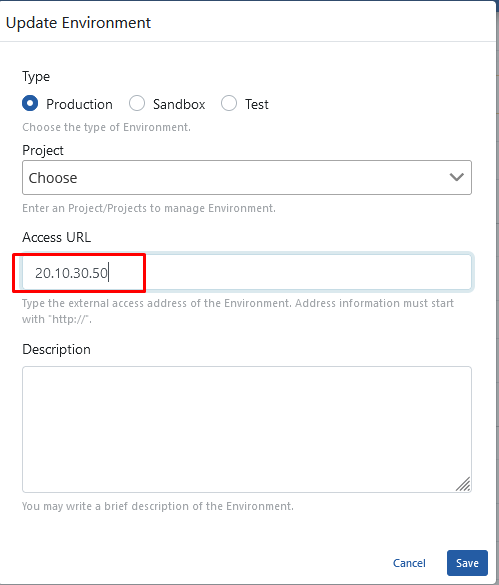
8. Publishing and Testing the First API in Apinizer
In the last step, opening an API to Apinizer as an API Proxy through a sample API definition file is described.
The project where the API Proxy will be registered is selected from the navbar menu.
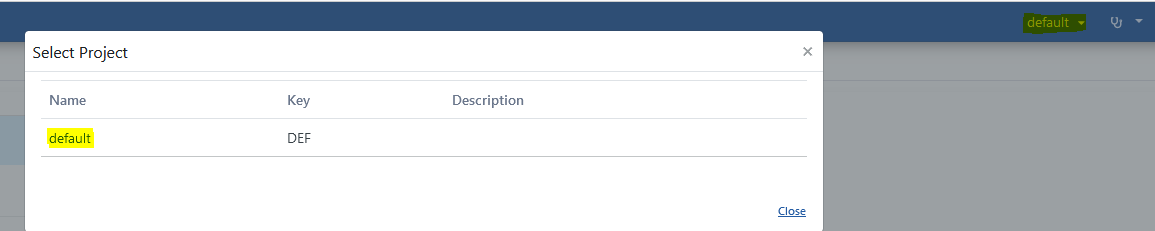
Go to Development → API Proxies page from the project menu in Apinizer Management Console application.
Click the Proxy button to define a new API Proxy.

Select the source from which the API Proxy will be created with the selected link in the image below.
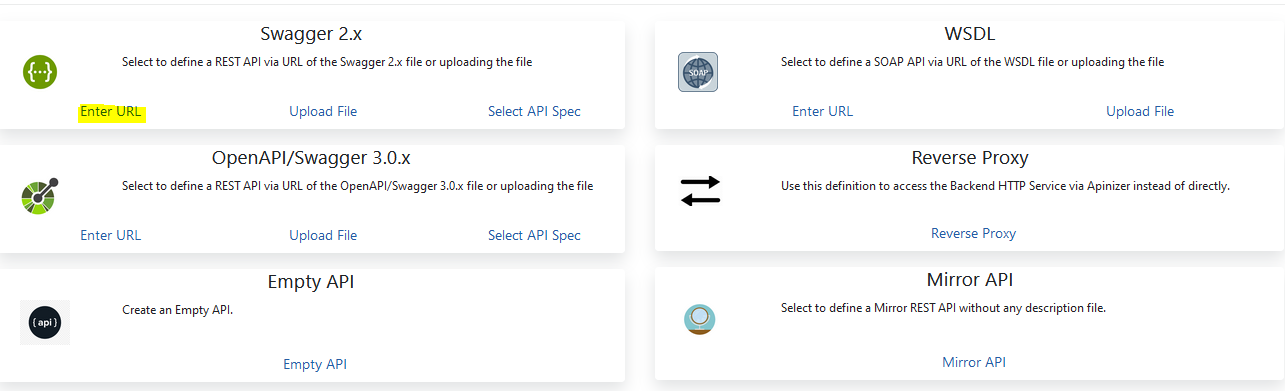
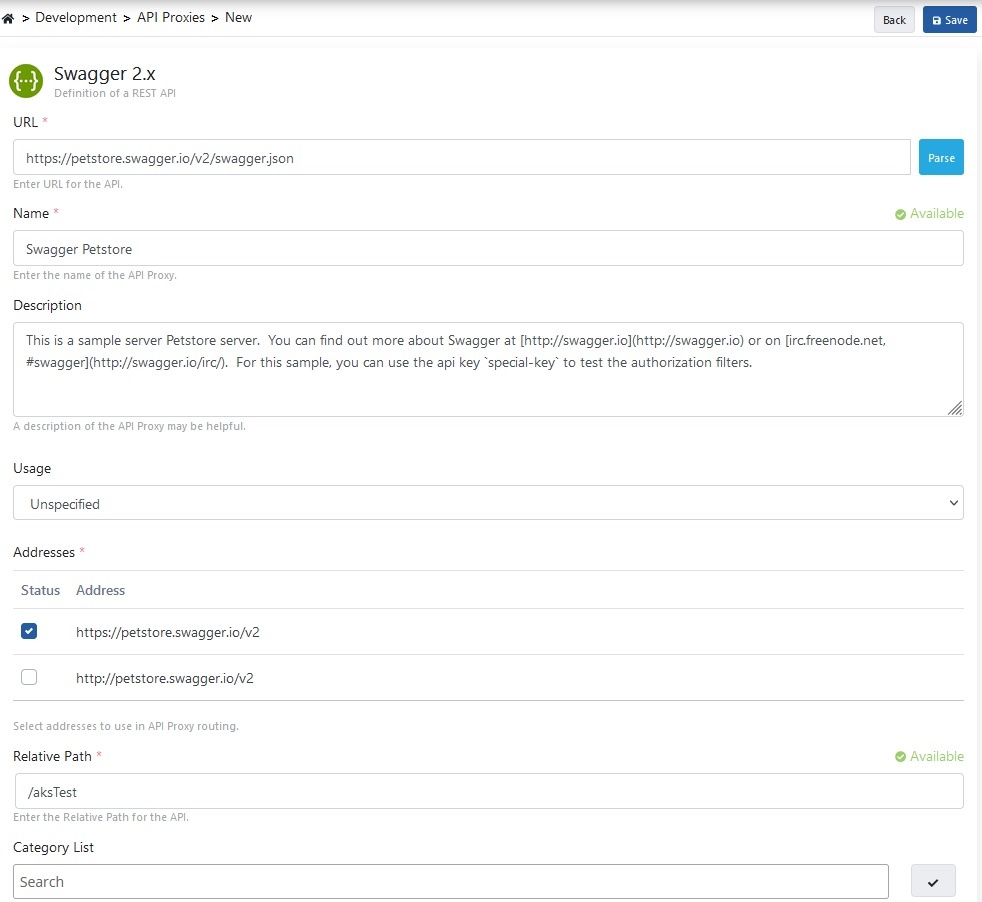
Enter the link of the API Definition file and Parse it.

Enter API Proxy information and click the Save button.
The Deploy button selected in the image below is used to load (deploy) the API Proxy.
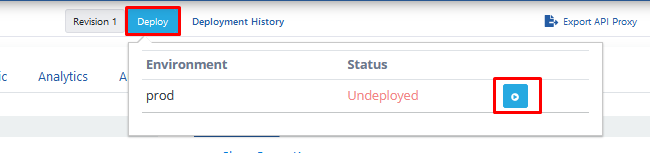
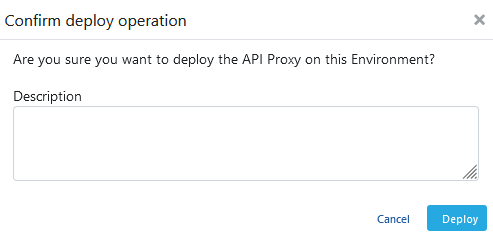
The loading process is confirmed.
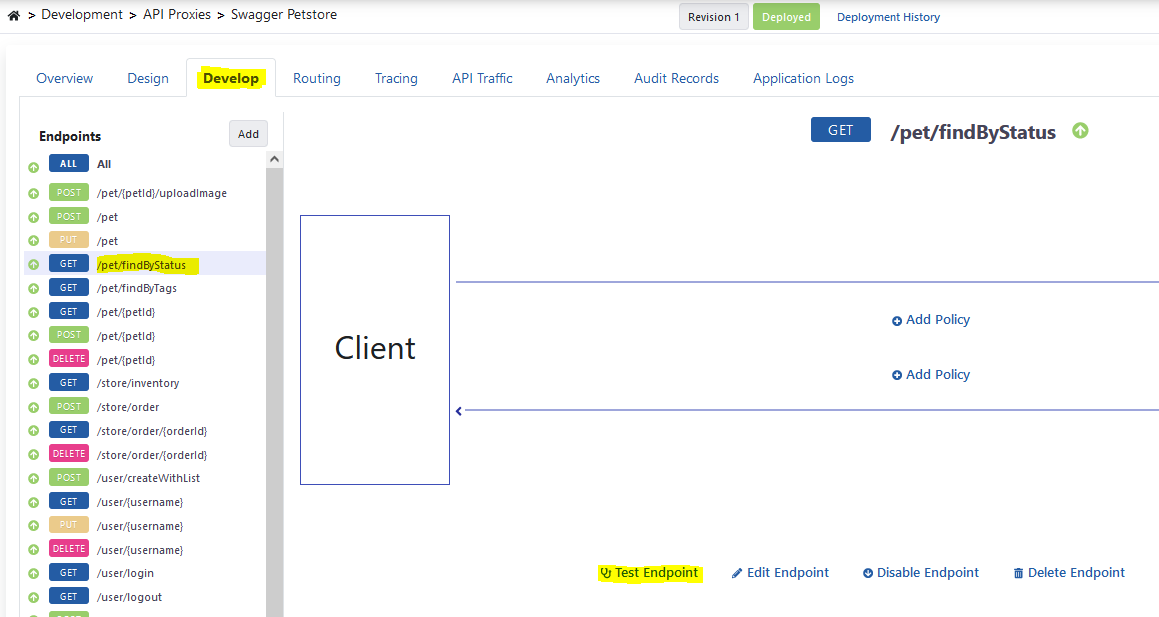
Come to the endpoint (endpoint) you want to test from the Develop tab of the API Proxy and click the Test Endpoint button.
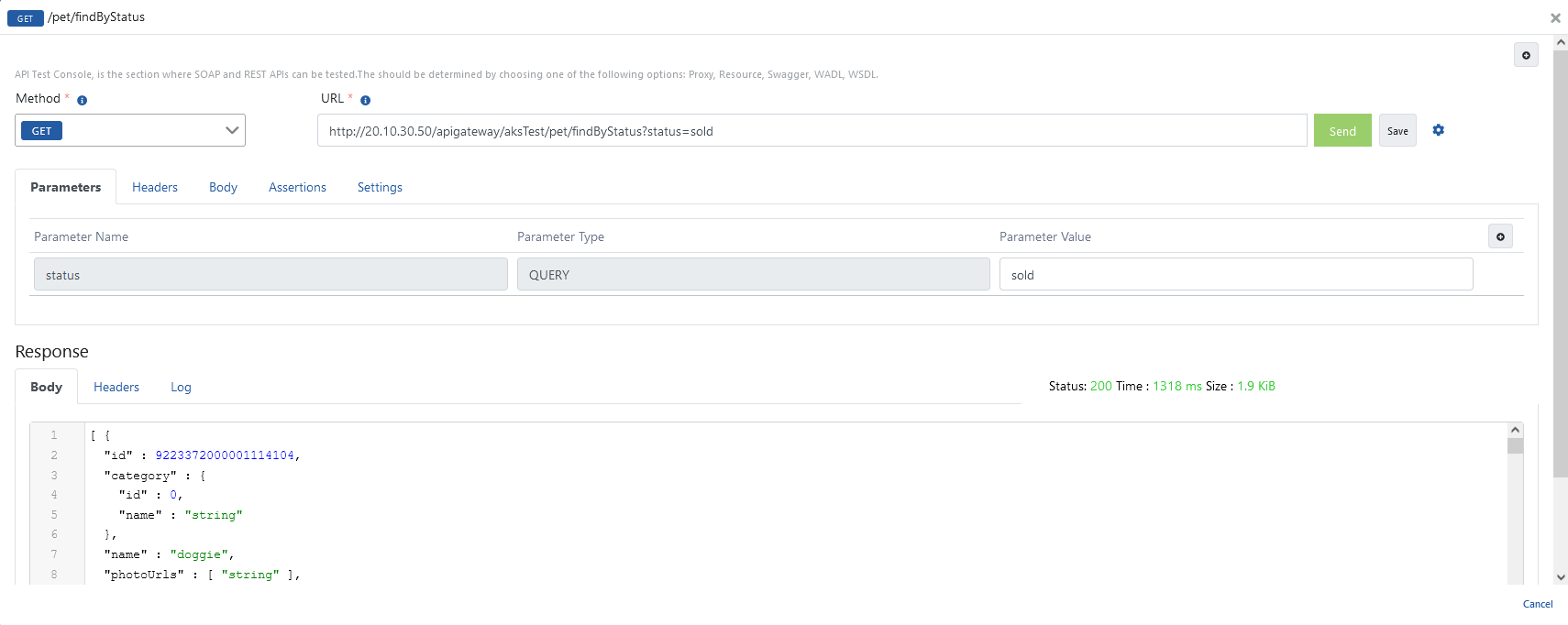
The image containing the test dialog is given below.
For detailed information about API Proxy, see Developer Guide.
For detailed information about Test Console, see Test Console documentation.